
Diwali, also known as the Festival of Lights, is one of India's most significant and widely celebrated worldwide. Marking the victory of light over darkness and good over evil, this vibrant festival is a time of joy, togetherness, and spiritual renewal.
Celebrated by millions, Diwali holds deep religious and cultural significance in various communities. For Hindus, it commemorates Lord Rama’s return to Ayodhya after defeating Ravana, symbolising the triumph of righteousness. Jains honor it as the day Lord Mahavira attained nirvana, while Sikhs celebrate Bandi Chhor Divas, marking Guru Hargobind Ji’s release from imprisonment. Even in Buddhist traditions, it is a time of reflection and enlightenment.
Beyond religious traditions, Diwali is a festival that brings people together, inspiring gratitude, positivity, and hope. Homes and streets are illuminated with diyas (oil lamps) and colorful lights, creating a mesmerising atmosphere of warmth and celebration. The festival also signifies new beginnings, making it a time for cleaning homes, buying new clothes, exchanging gifts, and cherishing moments with loved ones.
With its universal message of spreading light, love, and prosperity, Diwali is not just an Indian festival but a global celebration of happiness and harmony. ✨
The Spiritual & Cultural Significance of Diwali
 Diwali is more than just a festival of lights—it is a celebration deeply rooted in spiritual and cultural traditions that emphasise the victory of good over evil, knowledge over ignorance, and hope over despair. Across different communities, the festival carries profound mythological and religious significance, making it one of the most cherished occasions in the world.
The Mythological and Religious Significance
The origins of Diwali are linked to several ancient legends and epics:
-
The Return of Lord Rama to Ayodhya
One of the most widely recognised stories behind Diwali comes from the Ramayana. After 14 years in exile and defeating the demon king Ravana, Lord Rama returned to Ayodhya with Sita and Lakshmana. The people of Ayodhya welcomed them by lighting diyas (oil lamps) across the city, marking the success of righteousness and devotion. This tradition continues today, with millions illuminating their homes in celebration. -
Lord Krishna’s Victory over Narakasura
In another legend from the Mahabharata, Lord Krishna defeated the demon Narakasura, who had terrorised the people. This victory symbolises the destruction of evil forces and is especially significant in southern India, where the day before Diwali is observed as Narak Chaturdashi. -
Goddess Lakshmi and the Festival of Prosperity
Diwali is also dedicated to Goddess Lakshmi, the wealth, prosperity, and fortune deity. It is believed that on this day, she emerged from the churning of the ocean (Samudra Manthan) and blessed the world with abundance. Devotees perform Lakshmi Puja, seeking her blessings for financial success, happiness, and well-being in the coming year.
Diwali Across Different Religions
While Diwali is primarily a Hindu festival, it holds significance in other religions as well:
-
Sikhism – Bandi Chhor Divas
Sikhs celebrate Diwali as Bandi Chhor Divas (Day of Liberation), marking the release of Guru Hargobind Ji and 52 other kings from imprisonment by the Mughal emperor Jahangir. The Golden Temple in Amritsar is illuminated with thousands of lights, making it a breathtaking sight. -
Jainism – Lord Mahavira’s Nirvana
For Jains, Diwali signifies the day Lord Mahavira attained moksha (liberation) in 527 BCE. It is a time for reflection, meditation, and seeking enlightenment, emphasising non-violence and spiritual awakening. -
Buddhism – Emperor Ashoka’s Embrace of Peace
Some Buddhist communities, particularly in Nepal, celebrate Diwali to honor Emperor Ashoka’s conversion to Buddhism and his efforts to spread peace and dharma.
How is Diwali Celebrated?
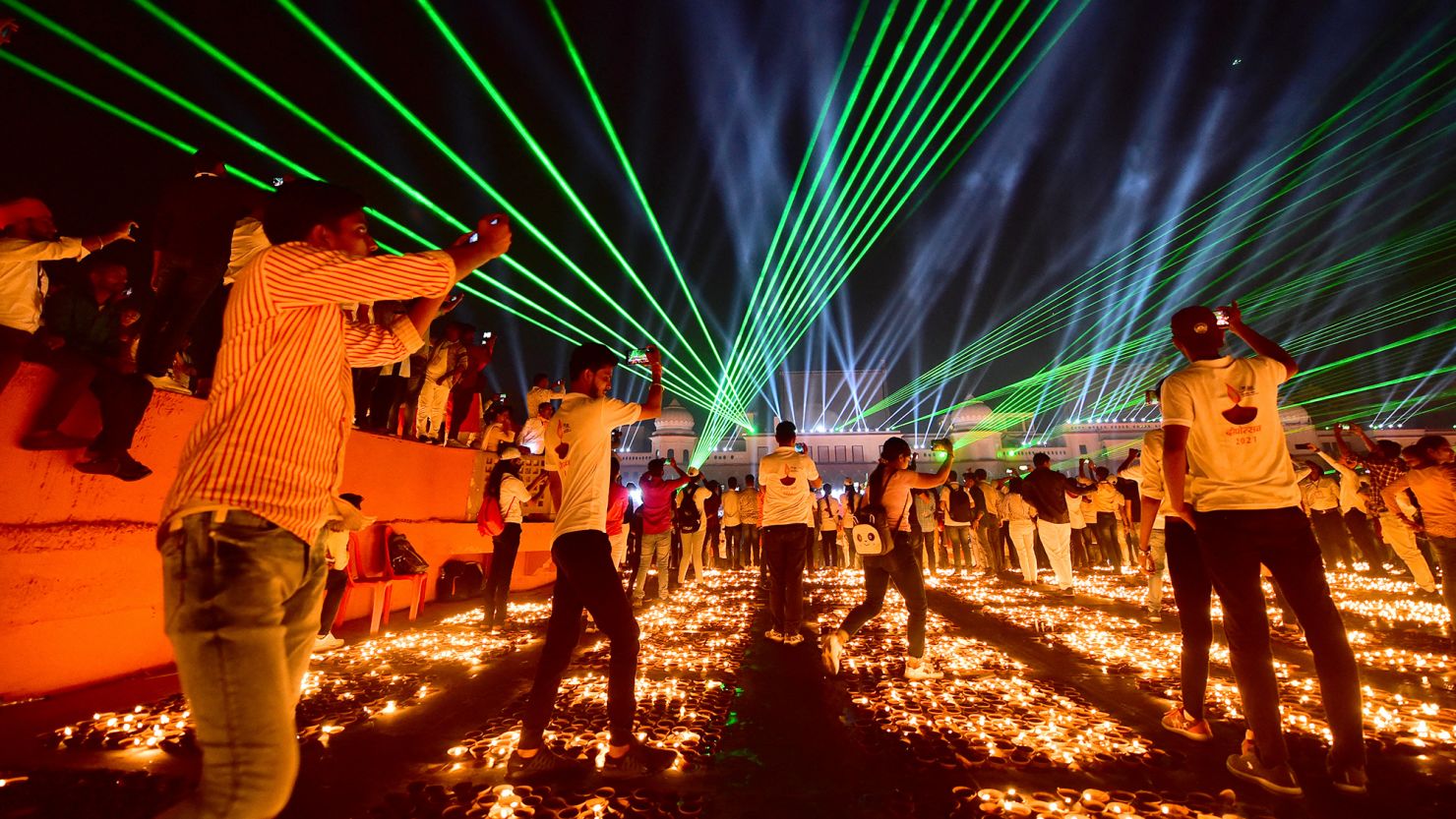 Diwali is a festival that brings families, friends, and communities together in a grand celebration of light, joy, and prosperity. Across India and the world, the festival is marked with vibrant decorations, prayers, feasts, and fireworks, creating an atmosphere of happiness and togetherness. Each tradition holds a deeper significance, symbolising the essence of Diwali.
Lighting Diyas & Candles – Illuminating Lives with Positivity
The most iconic aspect of Diwali is the lighting of diyas (oil lamps) and candles, which represents the triumph of light over darkness and good over evil. This age-old tradition stems from the belief that darkness symbolises ignorance and negativity, while light signifies wisdom and hope.
-
Diyas are placed at entrances, windows, and balconies to welcome Goddess Lakshmi and remove negative energy.
-
In modern celebrations, people also use colorful LED lights and fairy lights to brighten their homes and streets.
-
Temples and public places are adorned with rows of diyas, creating a mesmerising spectacle of lights.
Rangoli & Decorations – Blending Tradition with Creativity
Another beautiful tradition of Diwali is creating intricate Rangoli designs at doorsteps, symbolising prosperity and positivity.
-
Traditional Rangoli uses colored powders, rice, and flower petals in artistic patterns such as lotuses, peacocks, and geometric designs.
-
Modern Rangoli styles include stencil designs, LED Rangoli, and eco-friendly options with natural dyes.
-
Homes are decorated with torans (door hangings), fresh flowers, and decorative diyas to create a festive ambiance.
Fireworks & Celebrations – A Display of Festive Excitement
Fireworks have become a significant part of Diwali celebrations, adding to the joy and excitement of the festival. The bursting of crackers is believed to ward off evil spirits and celebrate the victory of good.
-
In many regions, grand firework displays light up the night sky, creating a magical experience.
-
Families and children light sparklers and firecrackers as part of the tradition.
-
However, in recent years, many people are opting for eco-friendly celebrations, avoiding excessive firecrackers to reduce pollution and protect the environment.
Family Gatherings & Prayers – Strengthening Bonds with Blessings
Diwali is a time for families to unite, share laughter, and seek blessings for the coming year.
-
Lakshmi Puja is performed in homes and businesses to honor Goddess Lakshmi, the deity of wealth and prosperity.
-
Families dress in new traditional attire, visit temples, and exchange sweets and gifts.
-
Many people also engage in charity, donating food, clothes, and money to the less fortunate, embracing the spirit of giving.
Diwali Decorations & Lights
 Diwali, known as the Festival of Lights, is synonymous with vibrant decorations and dazzling illuminations that transform homes, temples, and streets into breathtaking displays of beauty and positivity. The festival’s decor reflects tradition and modernity, combining ancient customs with contemporary trends to create a festive atmosphere filled with warmth and joy.
Traditional Décor – Diyas, Candles, and Torans
Diwali decorations have deep cultural and spiritual significance, with traditional elements symbolising prosperity, protection, and positivity.
-
Diyas (Oil Lamps): Handmade clay diyas filled with oil and cotton wicks are placed around the house to welcome Goddess Lakshmi and drive away darkness.
-
Candles: Scented and decorative candles are also widely used, adding an elegant touch to the celebration.
-
Torans (Door Hangings): Made of mango leaves, marigold flowers, or beads, torans are hung at doorways to bring good fortune and positive energy.
Modern Trends – LED Lights, Fairy Lights, and Smart Home Décor
As Diwali decorations evolve, modern lighting and decor trends blend tradition with innovation, enhancing the festive spirit with creativity.
-
LED String Lights: Homes, offices, and streets are adorned with colorful LED lights that create stunning patterns and reduce energy consumption.
-
Fairy Lights & Neon Lamps: These are increasingly popular for balcony, window, and interior decor, adding a dreamy and modern touch to the festival.
-
Smart Home Décor: Technology-driven decor elements such as motion-sensor lamps, Wi-Fi-enabled light displays, and 3D projection mappings bring a contemporary edge to Diwali celebrations.
-
Eco-Friendly Décor: To celebrate Diwali sustainably, people are now opting for reusable paper lanterns, clay diyas with natural dyes, and solar-powered lights.
Importance of Illumination in Homes, Temples, and Public Places
The essence of Diwali lies in its radiance and glow, representing hope, wisdom, and prosperity.
-
In Homes: Lighting diyas and candles is believed to invite positive energy and drive away negativity.
-
In Temples: Places of worship are illuminated with hundreds of diyas and decorative lights, enhancing the spiritual ambiance.
-
In Public Places: Markets, streets, and landmarks are lit up with grand light displays, creating a festive atmosphere that unites communities in celebration.
Traditional Sweets & Dishes
/cdn.vox-cdn.com/uploads/chorus_asset/file/24104136/TastingIndia_DiwaliDesserts_13.jpg) No Diwali celebration is complete without delicious sweets and festive dishes that bring families together over joyous feasts. Diwali cuisine is a perfect blend of tradition, flavor, and festivity from mouth watering laddoos to crispy samosas. Every region in India has its unique specialties, making the festival a true gastronomic delight.
No Diwali celebration is complete without delicious sweets and festive dishes that bring families together over joyous feasts. Diwali cuisine is a perfect blend of tradition, flavor, and festivity from mouth watering laddoos to crispy samosas. Every region in India has its unique specialties, making the festival a true gastronomic delight.
Popular Sweets – A Celebration of Sweetness
Sweets, or "Mithai," are special in Diwali celebrations. They symbolise happiness, prosperity, and the joy of sharing. Families prepare and exchange these treats with loved ones as a goodwill gesture. Some of the most popular Diwali sweets include:
-
Laddoo – A classic festive treat, made from besan (gram flour), rava (semolina), coconut, or boondi, often flavored with cardamom and nuts.
-
Jalebi – Crispy, golden spirals soaked in saffron-infused sugar syrup, offering a perfect balance of crunch and sweetness.
-
Gulab Jamun: Soft, deep-fried dumplings made of khoya (reduced milk) and soaked in rose-flavored syrup are rich and indulgent.
-
Kaju Katli – A luxurious sweet made from cashew nuts, sugar, and ghee, known for its smooth texture and silver coating.
Festive Snacks & Meals – Savory Delights to Complement the Sweets
Diwali feasting isn’t just about sweets—savory dishes and snacks play an equally important role in balancing the festive platter. Some must-have Diwali savory items include:
-
Samosa – A crispy, deep-fried pastry filled with spiced potatoes, peas, and nuts, served with tangy chutneys.
-
Kachori – Flaky, stuffed puris with spicy lentil or potato fillings, perfect as an evening snack.
-
Chole Bhature – A popular festive meal featuring spiced chickpea curry (chole) with deep-fried, fluffy bread (bhature), commonly enjoyed in North India.
-
Murukku & Chakli – Crunchy spiral-shaped fried snacks made from rice flour, lentils, and spices, a favorite in South and West India.
Regional Specialties – A Diverse Spread of Flavors
Diwali food traditions vary across India, with each region offering distinctive specialties that add diversity to the festive table:
-
North India – Peda, Balushahi, Gajar Ka Halwa
-
South India – Mysore Pak, Adhirasam, Payasam
-
West India – Shrikhand, Mohanthal, Ghughra
-
East India – Rasgulla, Sandesh, Chhena Poda
Beyond India, Diwali is celebrated globally, with communities preparing fusion desserts like chocolate barfi, nut-based energy laddoos, and flavored kheer variations.
Diwali food traditions reflect love, warmth, and festive cheer, from sweet indulgences to savoury delights, making every meal a cherished experience. Whether homemade or store-bought, these delicacies unite families and friends to celebrate abundance and happiness. 🍬🥮✨
Gift-Giving & Sharing Happiness
 Diwali is not just a festival of lights but also a time for expressing love, gratitude, and goodwill through gifts. The tradition of exchanging gifts during Diwali strengthens bonds between family, friends, and colleagues, spreading happiness and prosperity. Whether it’s traditional sweets or modern gadgets, gifting during Diwali is a symbol of affection, appreciation, and celebration.
The Tradition of Gifting During Diwali
The custom of gift-giving has been an essential part of Diwali for centuries. It signifies:
-
Prosperity and blessings – Offering gifts to loved ones is believed to bring luck, abundance, and good fortune.
-
Strengthening relationships – Gifting is a way to express gratitude and reinforce personal and professional bonds.
-
Spreading positivity – Sharing gifts creates a sense of joy, kindness, and togetherness.
Popular Diwali Gifts – A Blend of Tradition & Modernity
Diwali gifts range from traditional offerings to contemporary luxuries, catering to different preferences. Some of the most popular gift choices include:
-
Sweets & Dry Fruits – Traditional mithai (sweets), chocolates, and dry fruit hampers remain evergreen gifts.
-
Clothes & Accessories – Many families gift new clothes, jewelry, watches, and handbags as a sign of prosperity.
-
Gold & Silver Items – Coins, jewelry, and idols of Goddess Lakshmi and Lord Ganesha are considered auspicious gifts.
-
Gadgets & Home Appliances – Smartphones, tablets, and smart home devices have become popular modern Diwali gifts.
-
Home Décor & Fragrances – Decorative diyas, scented candles, and spiritual idols are cherished gifts during the festival.
Corporate Gifting Trends – Luxury & Personalised Touches
In the corporate world, Diwali is a time to appreciate employees, clients, and business associates with thoughtful gifts. The latest trends in corporate gifting include:
-
Luxury Gift Hampers – Curated hampers with premium chocolates, gourmet treats, and wellness products.
-
Personalised Gifts – Customized mugs, engraved pens, monogrammed diaries, and company-branded goodies.
-
Eco-Friendly Gifts – Sustainable gifts like plant-based hampers, reusable bags, and organic wellness kits.
-
Gift Cards & Vouchers – Many companies prefer digital gift cards, allowing recipients to choose their gifts.
The Importance of Spreading Joy Through Charity & Donations
Beyond material gifts, Diwali is also about giving back to society. Acts of kindness during the festival amplify the joy of celebration:
-
Donating to the Underprivileged – Many families distribute food, clothes, and blankets to needy people.
-
Supporting NGOs & Charities – Contributions to educational funds, orphanages, and elderly homes make a difference.
-
Eco-Conscious Gifting – Opting for sustainable gifts and donations instead of firecrackers promotes a greener Diwali.
Eco-Friendly Ways to Celebrate Diwali
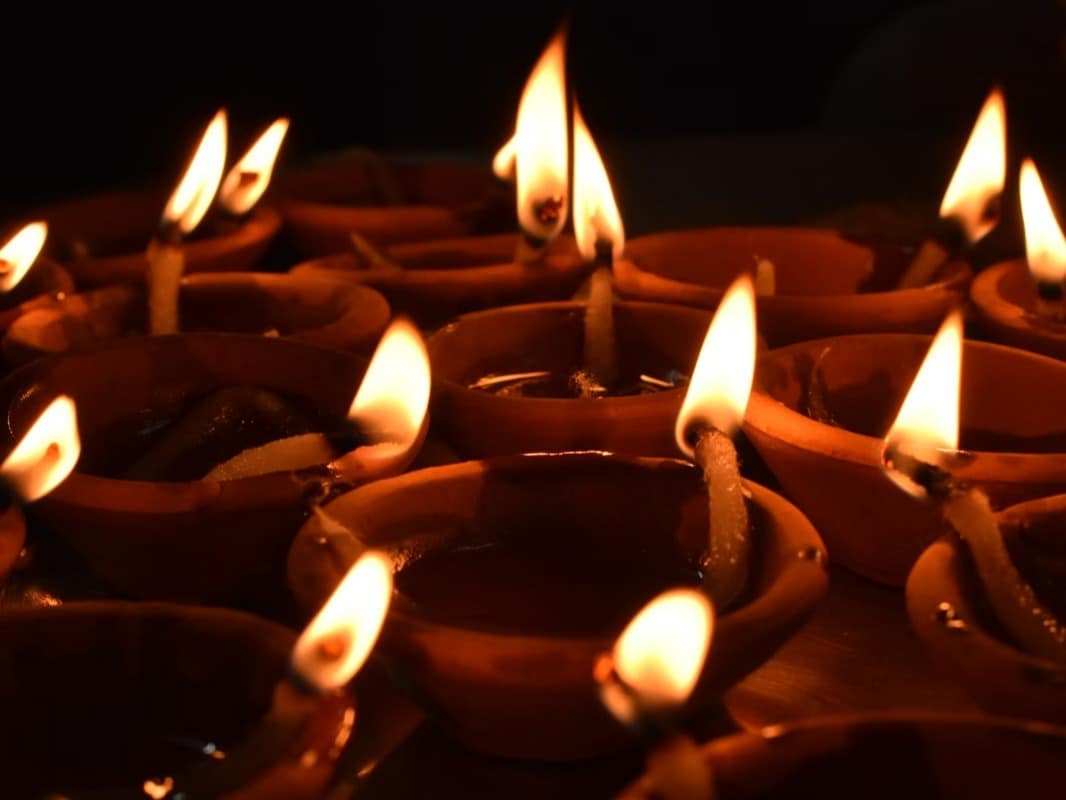 Diwali is a festival of joy, lights, and togetherness. However, in recent years, it has also been associated with environmental concerns due to air and noise pollution, excessive waste, and high energy consumption. To preserve the true spirit of the festival while being responsible towards nature, many people are now embracing sustainable and eco-friendly ways to celebrate Diwali.
Reducing Pollution – The Impact of Firecrackers
While firecrackers have traditionally been used to mark the celebration and triumph of good over evil, their impact on the environment is significant.
-
Air Pollution – Firecrackers release harmful pollutants like carbon monoxide, sulfur dioxide, and particulate matter, contributing to smog and respiratory issues.
-
Noise Pollution – Loud fireworks disturb elderly people, children, pets, and wildlife, causing stress and discomfort.
-
Waste Generation – The remains of firecrackers lead to littered streets and non-biodegradable waste, harming the environment.
🔹 Eco-Friendly Alternatives:
-
Opt for "Green Crackers", which produce less pollution and are approved by environmental agencies.
-
Enjoy laser light shows, lantern releases, or musical celebrations as an alternative to loud fireworks.
-
Encourage community-wide celebrations with limited and regulated firecracker usage.
Eco-Friendly Decorations – Sustainable Rangoli & Reusable Décor
Diwali decorations are essential to the celebration, but many modern decor materials contain plastic, chemical dyes, and non-biodegradable elements. Switching to eco-conscious alternatives can reduce waste while maintaining the festive spirit.
-
Sustainable Rangoli – Use organic colors, flower petals, rice flour, or turmeric instead of artificial chemical powders.
-
Reusable Diyas & Candles – Opt for clay diyas, beeswax candles, or LED lights instead of plastic-based decorative lights.
-
Handmade & Recycled Decor – Create DIY decorations using paper, fabric, or old festival decor from previous years.
-
Eco-Friendly Torans & Lanterns – Use fresh flowers, jute, or fabric-based torans instead of plastic ones.
Celebrating Responsibly – Ways to Have a Green Diwali
A Green Diwali focuses on celebrating in a way that reduces environmental harm while preserving the festival’s essence. Here are some responsible ways to make your Diwali more sustainable:
🌿 Energy-Efficient Lighting – Use solar-powered lights or LED bulbs instead of high-energy-consuming decorative lights.
🎁 Eco-Conscious Gifting – Gift plants, handmade organic products, or biodegradable items instead of plastic-wrapped gifts.
♻ Minimal Waste Celebrations – Reduce food wastage by sharing surplus sweets and meals with those in need.
🌏 Support Local Artisans – Buy diyas, handicrafts, and decor from local artisans and small businesses, supporting the economy and reducing carbon footprints.
🙏 Spiritual & Simple Celebrations – Focus on prayers, meditation, and acts of kindness rather than extravagant festivities.
Celebrate Diwali in Luxury with Imperial Ride
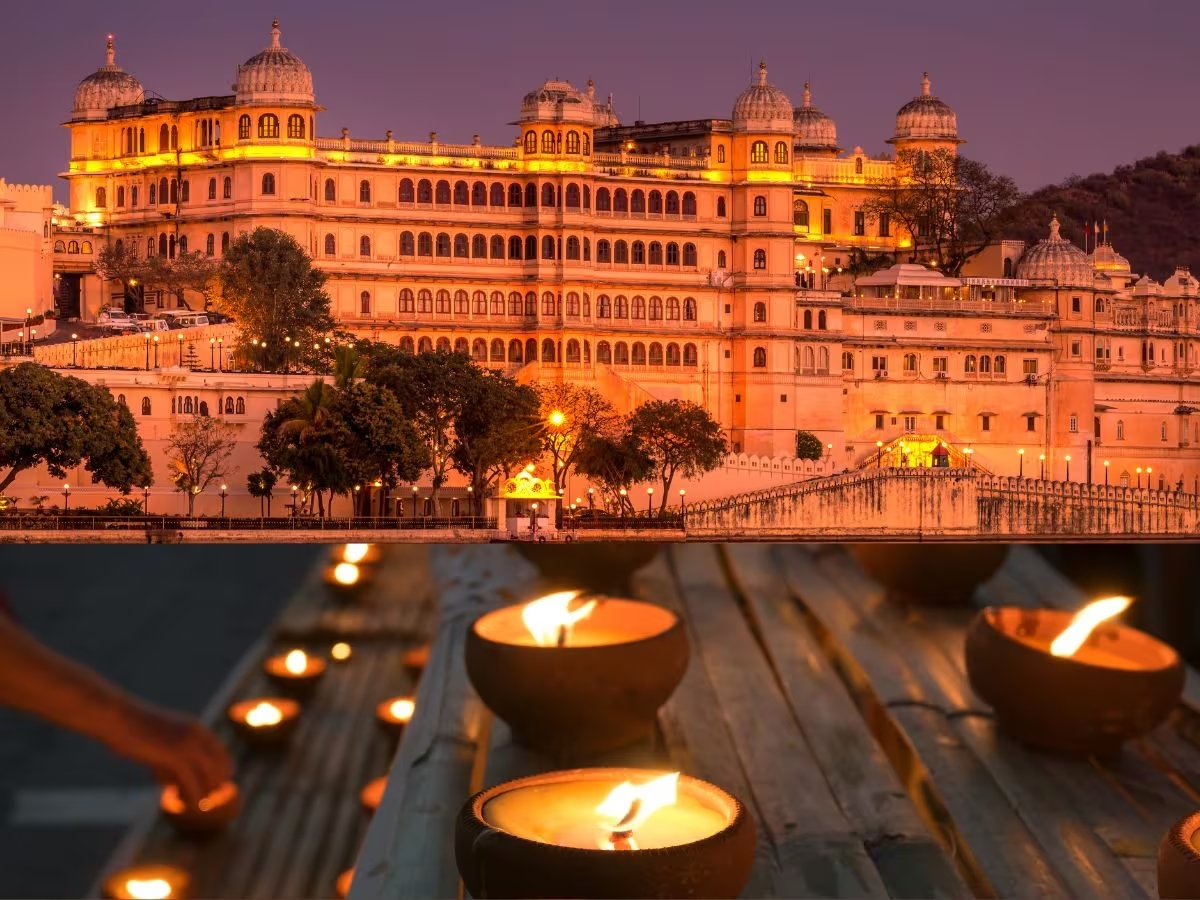 Diwali is a time for grandeur, togetherness, and unforgettable celebrations. Whether you’re heading to family gatherings, festive events, or premium shopping sprees, why not make the occasion even more special with luxury chauffeur-driven travel? You can experience a stress-free, stylish, and elegant Diwali celebration with us, enjoying comfort and exclusivity.
Experience a Stress-Free Diwali Celebration with Imperial Ride
Amidst the bustling excitement of Diwali, navigating through crowded streets, traffic congestion, and parking hassles can be overwhelming. With our luxury chauffeur services, you can:
-
Travel with absolute ease and relaxation, leaving the stress of driving behind.
-
Focus on celebrating the festival while our professional chauffeur handles the road.
-
Arrive in style and sophistication, enhancing the joy of Diwali festivities.
Travel in Style to Diwali Events, Family Gatherings & Shopping Sprees
Diwali celebrations often involve multiple visits to relatives, temple visits, festive dinners, and last-minute shopping sprees. Why settle for ordinary transport when you can elevate your travel experience?
-
Attend grand Diwali parties and pujas in unmatched luxury.
-
Enjoy hassle-free pickups and drop-offs at your favorite shopping destinations.
-
Impress your guests and loved ones with an opulent arrival at Diwali gatherings.
✨ Book your luxury chauffeur with us today and celebrate Diwali elegantly! ✨


 Sign In with Google
Leave a Comment