Why Getting to Cheltenham Is Half the Battle
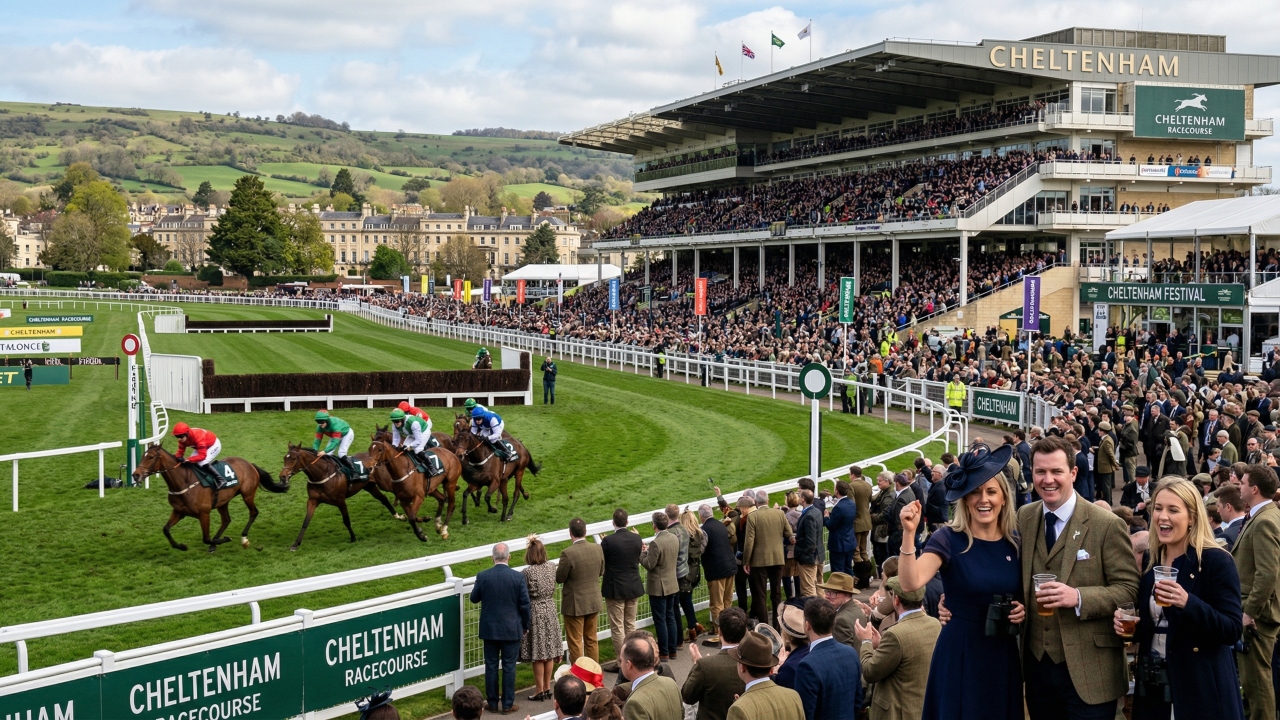
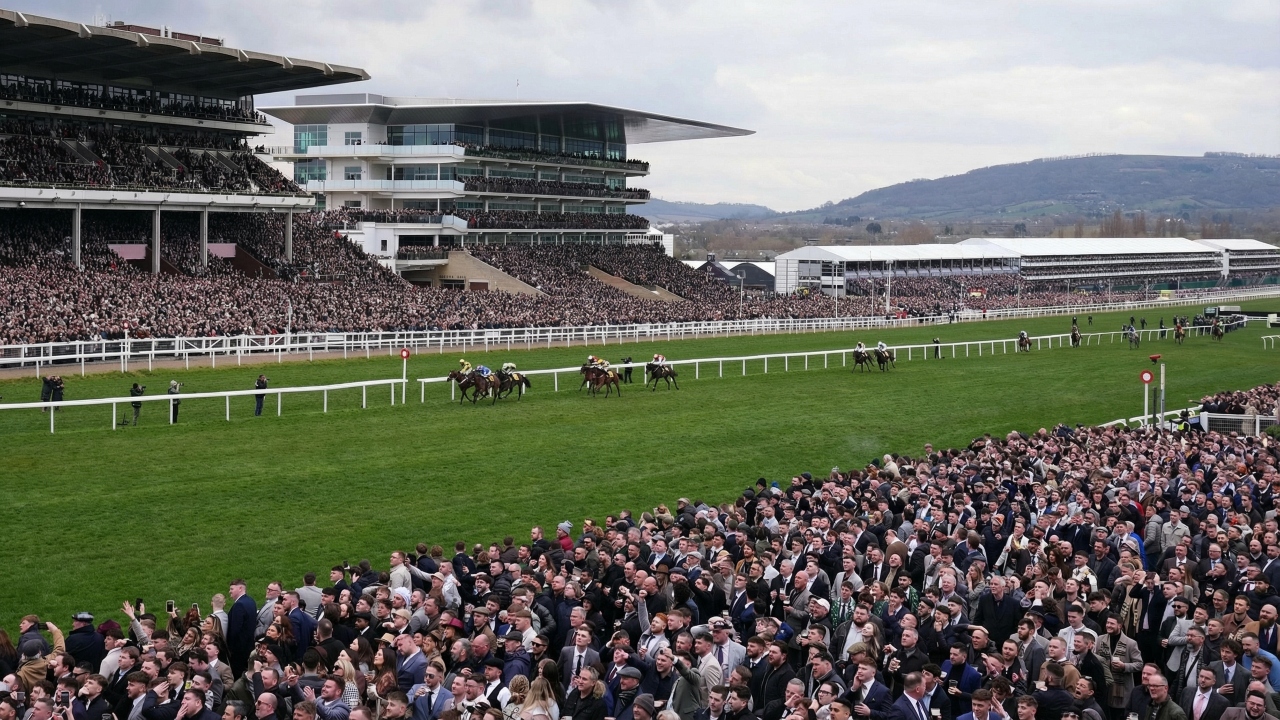
Every March, the picturesque Cotswolds town of Cheltenham becomes the undisputed capital of jump racing. Over four electrifying days, the Cheltenham Festival at Prestbury Park draws an estimated 274,000 racegoers, making it one of the single largest attended sporting events in the United Kingdom. The atmosphere is intoxicating — the thunder of hooves over Cleeve Hill, the legendary Cheltenham Roar when the first race begins on Champion Day, and the tension of the Gold Cup on Friday afternoon. It is, without exaggeration, the pinnacle of National Hunt racing.
But there is a less glamorous side to the Cheltenham Festival that first-time attendees and even seasoned veterans often underestimate: the sheer logistical complexity of reaching the racecourse. Cheltenham is not a London stadium you can reach on the Tube. It is a rural Gloucestershire venue nestled among rolling hills, narrow country roads, and limited infrastructure that was never designed to handle the sudden influx of tens of thousands of vehicles over four consecutive days. The parking situation is notoriously stressful; traffic congestion can add hours to your journey, and public transport options — while improving — remain woefully overcrowded.
Understanding the Four Days: What Happens and When
The Cheltenham Festival is not a single-day affair. Each of the four days carries its own identity, its own flagship race, and its own crowd dynamics. Understanding this calendar is essential for planning your travel, because the traffic patterns, crowd sizes, and atmosphere shift noticeably from day to day.
Day 1 — Champion Day (Tuesday)
The festival opens with a bang. The Supreme Novices' Hurdle kicks off proceedings, but the showpiece is the Champion Hurdle, one of the most prestigious races in National Hunt history. Crowds on Tuesday tend to be the smallest of the four days, typically around 60,000 — still enormous, but noticeably more manageable than Gold Cup Friday. If you are attending for the first time and want a slightly less chaotic introduction, Champion Day offers the best balance of atmosphere and accessibility.
Day 2 — Ladies Day (Wednesday)
As the name suggests, Ladies Day elevates the fashion stakes considerably. The crowd swells to approximately 65,000, and the Queen Mother Champion Chase provides the on-track drama. The sartorial effort on Wednesday is markedly higher — expect sharp tailoring, statement headpieces, and a noticeable increase in corporate hospitality bookings. This translates directly to heavier traffic as luxury vehicles and coaches flood the approach roads.
Day 3 — St Patrick's Thursday
The Irish contingent makes its presence felt on Thursday. Historically, Irish-trained horses dominate this day's card, and the Stayers' Hurdle headlines the racing. The atmosphere is celebratory and boisterous, with the Guinness Village reaching peak capacity. Traffic patterns on Thursday are slightly more erratic because this is when many racegoers who combine Day 3 and Day 4 begin arriving for two-day stays at nearby hotels.
Day 4 — Gold Cup Day (Friday)
The crescendo. The Cheltenham Gold Cup is the single most important race in jump racing, and it draws the festival's largest crowd — consistently exceeding 70,000 attendees. Gold Cup Friday represents the most extreme logistical challenge of the entire week. Every road into Cheltenham is saturated, car parks reach capacity early, and public transport services (particularly the shuttle buses from Cheltenham Spa railway station) operate under immense strain. If you do not have a robust transport plan for Friday, you will lose hours of your day sitting in traffic.
Enclosures and Dress Codes: Know Before You Go
Your choice of enclosure fundamentally shapes your Cheltenham experience — not just in terms of viewing position and hospitality, but also in dress code expectations and the social atmosphere around you.
The Club Enclosure
The Club Enclosure is the most exclusive publicly available area at Cheltenham. It offers direct views of the Parade Ring, prime positioning near the winning post, and access to the premium bars and dining facilities. If you are entertaining corporate clients or hosting a high-net-worth group, this is the enclosure you need.
The dress code in the Club Enclosure is firmly "smart." While Cheltenham does not enforce the rigid, itemised dress codes of Royal Ascot, the unwritten expectation is clear: tweed suits, overcoats, and polished brogues for gentlemen; elegant, weather-appropriate outfits with hats or headpieces for ladies. March weather in the Cotswolds is notoriously changeable — bright sunshine one hour, horizontal sleet the next — so practical elegance is a survival skill here. A beautiful outfit ruined by a lack of waterproofing is a common first-timer mistake.
Tattersalls Enclosure
The largest and most popular enclosure, Tattersalls, offers a vibrant atmosphere, access to the pre-parade ring where you can watch the horses being saddled, and excellent views from the grandstand steps. The dress code is "smart-casual," but most attendees lean towards the smarter end. Jeans, trainers, and sportswear are firmly discouraged.
The Best Mate Enclosure
Named after the legendary three-time Gold Cup winner, this enclosure sits opposite the main grandstands and offers a more relaxed, accessible atmosphere with a younger demographic. It is an affordable entry point into the festival, but do not mistake "affordable" for "casual" — the dress standard remains well above what you might expect at a typical sporting event.
The Brutal Reality of Travel and Parking
This is where the festival experience diverges dramatically between those who plan and those who wing it. Let us be blunt about the realities, because our operations team monitors the traffic situation in real-time every year, and the data paints a consistently stark picture.
The Route Dilemma: M4/M5 vs M40/A40
If you open Google Maps or Apple Maps and type "London to Cheltenham Racecourse," the default route suggestion will almost certainly be the M4 westbound, connecting to the M5 northbound, exiting at Junction 11 for the A40 into Cheltenham. On paper, this appears logical. In practice, during the festival, it is a trap.
The M5 Junction 11 exit becomes a catastrophic bottleneck. The single-lane exit ramp and the A40 approach road into Cheltenham simply cannot handle the volume of traffic attempting to enter the town simultaneously. We have documented delays of 60 to 90 minutes at this single junction on Gold Cup Friday. That is 60 to 90 minutes of your day evaporating while you sit in a queue, watching the clock tick towards the first race.
From our years of operational experience, we strongly advocate the M40 route. Departing London via the M40 northbound, then connecting to the A40 westbound through Oxford and the Cotswolds, avoids the M5 bottleneck entirely. While this route is marginally longer in distance (approximately 100 miles vs 95 miles via the M4), it reliably flows 30 to 45 minutes faster on festival days. Our chauffeurs are intimately familiar with this route and its secondary options should unexpected congestion arise.
Parking: Mud, Queues, and the Long Walk
Cheltenham Racecourse operates extensive car parks across the surrounding farmland. The pricing varies, but the experience is fairly consistent: you will park on grass. If March has been even moderately wet — which in the Cotswolds it almost always has been — these car parks become muddy quagmires. Leaving the car park at 6:00 PM alongside 20,000 other frustrated drivers attempting to funnel through a single exit gate is a patience-destroying experience.
Worse, the walk from many of the outer car parks to the actual racecourse entrance gates can exceed 15 minutes on firm ground. If you are in formal footwear (which the dress code essentially mandates), navigating this terrain quickly becomes uncomfortable and your carefully chosen outfit risks arriving at the entrance splashed and scuffed.
Public Transport: Improved but Overwhelmed
The shuttle bus service from Cheltenham Spa railway station to Prestbury Park has improved in recent years, but it remains under immense pressure on Gold Cup Friday. Queues for the shuttle can exceed 30 minutes, and the buses themselves are standing-room-only. For corporate guests or those dressed for the Club Enclosure, this is hardly an appropriate start to a premium day.
The VIP Arrival: How a Chauffeur Changes Everything
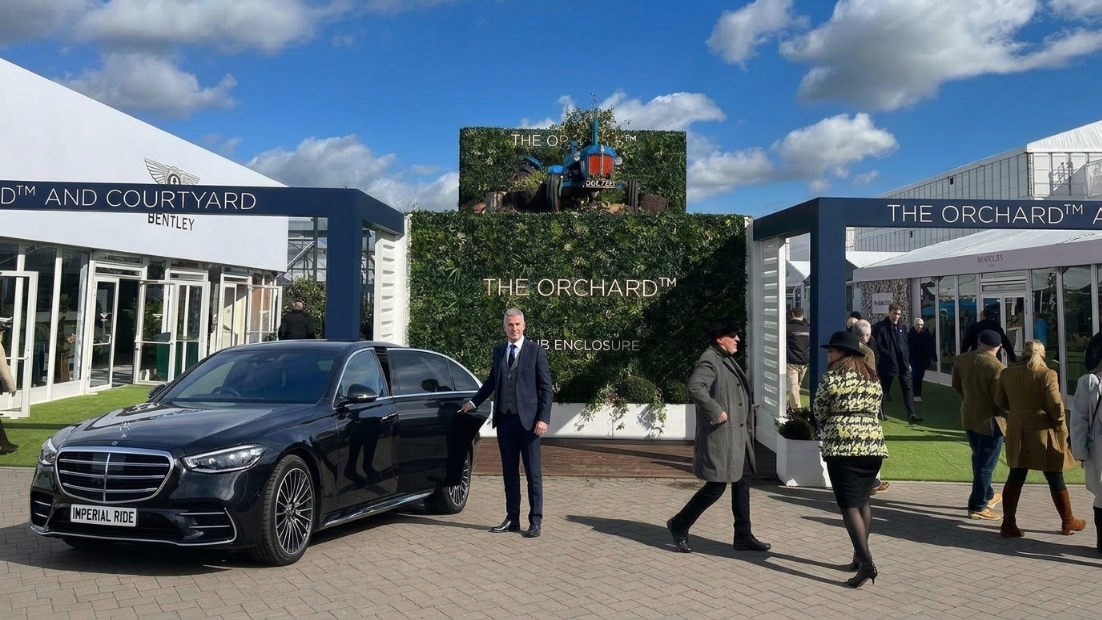
When you book an events chauffeur with Imperial Ride for the Cheltenham Festival, every single one of the stresses outlined above simply vanishes from your experience.
The Journey
The approximately two-hour drive from central London is ideally suited for our long-distance chauffeur service. You settle into the rear cabin of a Mercedes-Benz S-Class, BMW 7 Series, or — for larger groups — the spacious Mercedes-Benz V-Class. Complimentary Wi-Fi allows you to catch up on emails, review the day's race card and form guide, or simply relax with a coffee. The journey itself becomes a productive, comfortable prelude to your day rather than a white-knuckle motorway battle.
Our professional chauffeurs take the optimised M40/A40 route by default, unless real-time traffic intelligence suggests an even faster alternative. We are trained to know the exact timing required to arrive before the worst of the festival traffic hits, typically aiming for a destination arrival well before 11:30 AM, even on the busiest days.
The Drop-Off
Our licensed premium chauffeur vehicles with the correct accreditation can access designated drop-off points far closer to the main entrance gates than any standard car park. You step out of the vehicle onto solid ground — not mud — directly adjacent to the enclosure entrances. Your clothing is immaculate, your shoes are clean, and you are immediately immersed in the festival atmosphere without the 15-minute trudge from a distant parking field.
The Return Journey
This is where our chauffeur advantage becomes truly invaluable. Our operations team tracks the final race timings and communicates directly with your designated driver throughout the afternoon. As the last race concludes, your chauffeur is already positioned at a pre-agreed extraction point, strategically located outside the immediate congestion zone.
While tens of thousands of attendees stream towards overcrowded shuttle buses, flooded car parks, and the chaotic taxi rank, you walk a short distance to a waiting luxury vehicle and depart smoothly. Clients regularly report saving over an hour on their return journey compared to previous years when they attempted to self-drive. The value of our professional chauffeur is also why our clients who book us for Cheltenham often return for a similar VIP transport experience with our Henley Regatta service later in the summer.
Insider Tips From the Operations Desk
-
Book accommodation strategically. If you are attending multiple days, consider staying in Broadway, Stow-on-the-Wold, or Bourton-on-the-Water rather than Cheltenham town centre. Hotels in the town itself inflate prices by 200-300% during festival week, and availability vanishes months in advance. Our chauffeur service operates seamlessly from any local accommodation.
-
Bring wellies for the car park if self-driving. Even attendees who arrive by chauffeur should keep a pair of waterproof boots available for the walk between marquees and outdoor areas within the racecourse itself. March turf in the Cotswolds is reliably soft.
-
Layer your clothing. The temperature fluctuation at Cheltenham in March can span 10 degrees Celsius within a single afternoon. Morning arrivals may see sunshine that gives way to harsh wind and rain by the Gold Cup at 3:30 PM. A well-cut overcoat and a compact umbrella are essentials, not accessories.
-
Mobile signal is unreliable. The sheer density of 70,000 smartphone-wielding racegoers in a rural area overwhelms local cell towers. Text messaging is more reliable than phone calls or app-based ride-hailing. Our chauffeurs exchange direct mobile numbers and confirm pickup via text.
-
Budget your time. Gates open at 10:30 AM. The first race is typically at 1:30 PM. Use those three hours to explore the tented village, place early bets, and soak in the atmosphere — not to sit in traffic.
Frequently Asked Questions
1. How long does it take to drive from London to the Cheltenham Festival?
Under normal conditions, the 100-mile journey takes approximately 2 to 2.5 hours. During the festival, you should budget an additional 30 to 60 minutes for event-related congestion. On Gold Cup Friday specifically, our operational recommendation is to depart London no later than 8:30 AM to arrive comfortably before the gates open at 10:30 AM.
2. Can my chauffeur stay on-site and wait for me throughout the day?
Absolutely. Our event day-hire packages include the chauffeur remaining locally on standby for the full duration. You can leave your coat, overnight bag, or any purchases securely locked in the vehicle. Many clients use the car as a base to return to for warmth or refreshment between races.
3. Is there a strict dress code at Cheltenham?
Unlike Royal Ascot, Cheltenham does not enforce a rigid, itemized dress code. However, "smart dress" is strongly expected in the Club Enclosure and corporate hospitality areas. Tweed is the unofficial uniform due to the cooler March temperatures. Jeans, trainers, and sportswear will draw disapproving looks and may be refused entry to premium areas. If you enjoy the races and want an event with firmer sartorial protocols, Royal Ascot offers another unmissable calendar highlight later in the summer.
4. Can you accommodate corporate groups for hospitality transport?
Yes. For groups of up to 7 passengers, our luxury Mercedes-Benz V-Class provides opulent, comfortable group transport. We can also coordinate multi-vehicle convoys for larger delegations, ensuring your entire corporate hospitality group arrives simultaneously.
5. What happens if I want to leave before or after the last race?
Your chauffeur is dedicated exclusively to you for the entire day. You have complete flexibility to depart early — which often avoids the worst of the exit traffic — or to stay late and enjoy the famous Guinness Village after-party. Simply message your driver with your preferred departure time, and they will be ready and waiting.
6. Do you provide transfers from local hotels as well as London?
Yes. While the majority of our Cheltenham clients travel from London, we also provide local transfers from hotels across the Cotswolds, Gloucestershire, and Oxfordshire. Whether you are staying in Broadway, Cirencester, or Oxford, our service operates identically — precision-timed, stress-free, and premium.


 Sign In with Google
Leave a Comment